

You can build the app in a chat. Now give it a place to live.
Sign-in, records, rules about who sees what, payments and a live address, all set up by asking. Keep working from Claude, ChatGPT, Cursor or any AI that connects, and hand the app to a client when it’s done.
Paste this into your AI chat
Deploy on PageLemon.com
From a prompt to an app people use
The steps a builder goes through, in the order they come. Start with whichever you’re at.
-
Connect
Your AI can write the app, but it has nowhere to put it
Connect your AI once, in about two minutes. Claude and ChatGPT need no token: you sign in and click Allow. Claude Code, Codex, Cursor and other coding tools use the same link. After that, any chat can publish and update your apps.

A real template: Chapter. Preview it (opens in a new tab) You type in your AI chat
Deploy on PageLemon.com- “Which of my apps is live?” Your AI lists your sites and says which are on, with their addresses.
- “Use my Cursor to edit the same app” Connect Cursor with the same link. Your AI there sees the same sites and the same history.
-
First build
You have an idea, and you’d like to start from something that works
Start from a ready-made app, such as a client portal, an expense log, a habit tracker or a paid community, and ask for your changes. Your AI sets up the sign-in, the lists and the pages, and gives you a link. You switch the app on yourself.
A real template: Tally. Preview it (opens in a new tab) You type in your AI chat
Build with PageLemon.com: a client portal for my coaching, where each client sees their sessions left and sends a check-in before each session- “Show me the app as a client sees it” Your AI gives you a sign-in link for a test user, who never counts towards your users.
- “Use the Chapter template instead” Your AI starts from that app and changes it to what you asked for.
-
Real users
People other than you need to use it
Give your AI their email addresses. Each person gets an invitation only after you say yes, and signs in with a code sent to their email. They don’t need a Page Lemon account. Each sees only their own records, and you see everything in your Dashboard.
A real template: Chapter. Preview it (opens in a new tab) You type in your AI chat
Invite the people on this list to my app, and show me the emails before they go- “Let people ask to join, and I’ll say yes or no” They ask from the sign-in page and see nothing until you answer.
- “Remove Jo from the app” You approve it on a link, and Jo’s access ends then.
-
Changes
Your first users ask for changes, and you break something
Every change you make from any AI is saved as a version that shows who made it, and which AI. See what changed, and undo it. Ask for the change from whichever AI you have open that day.
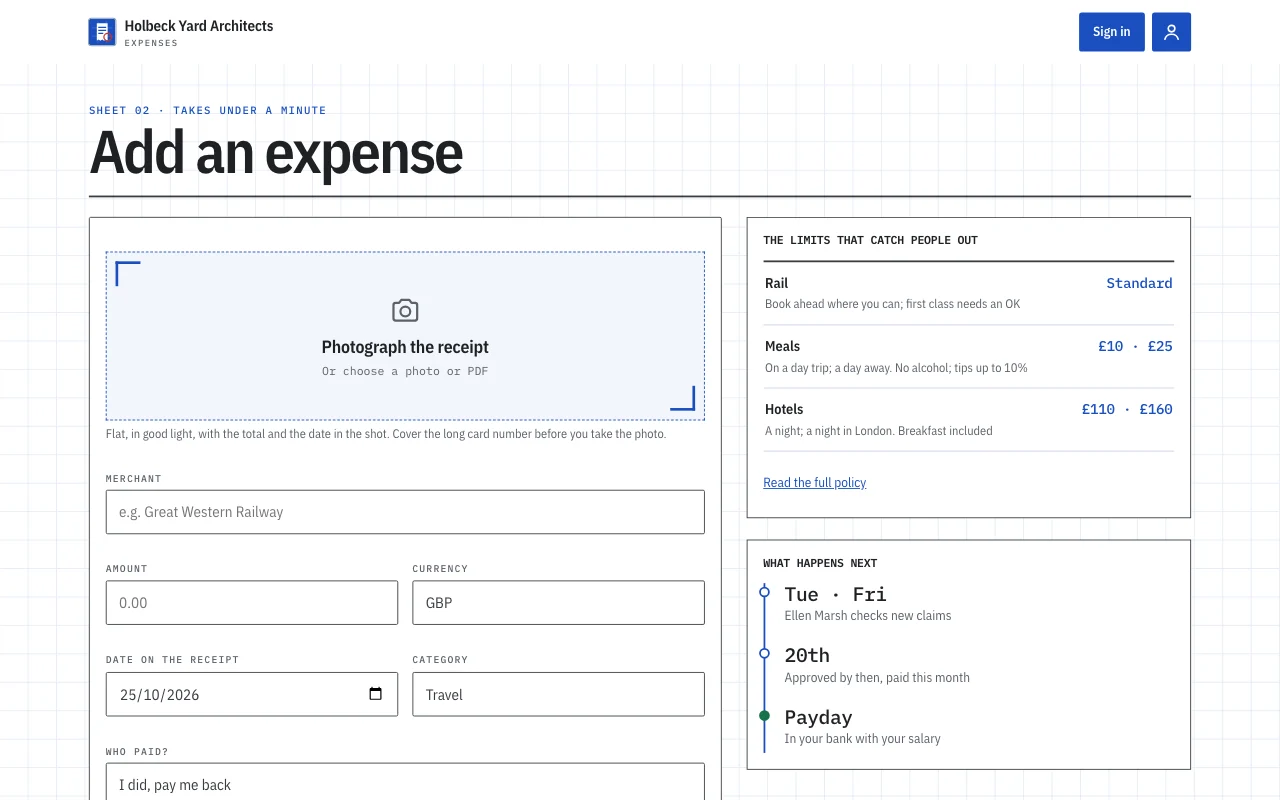
A real template: Expense log. Preview it (opens in a new tab) You type in your AI chat
Who changed the sign-up page, and put it back how it was yesterday- “Show me what changed this week” Your AI lists the versions, who made each and what moved.
- “Add a question to the sign-up form: what do you want it for?” It’s on the form from now on, and shows with each sign-up.
-
Money
Somebody wants to pay for it
Add a plan with a price, monthly or yearly, and users pay on your own Stripe account. Renewals, failed payments and cancellations open and close their access by themselves, and a free plan can sit beside the paid one.
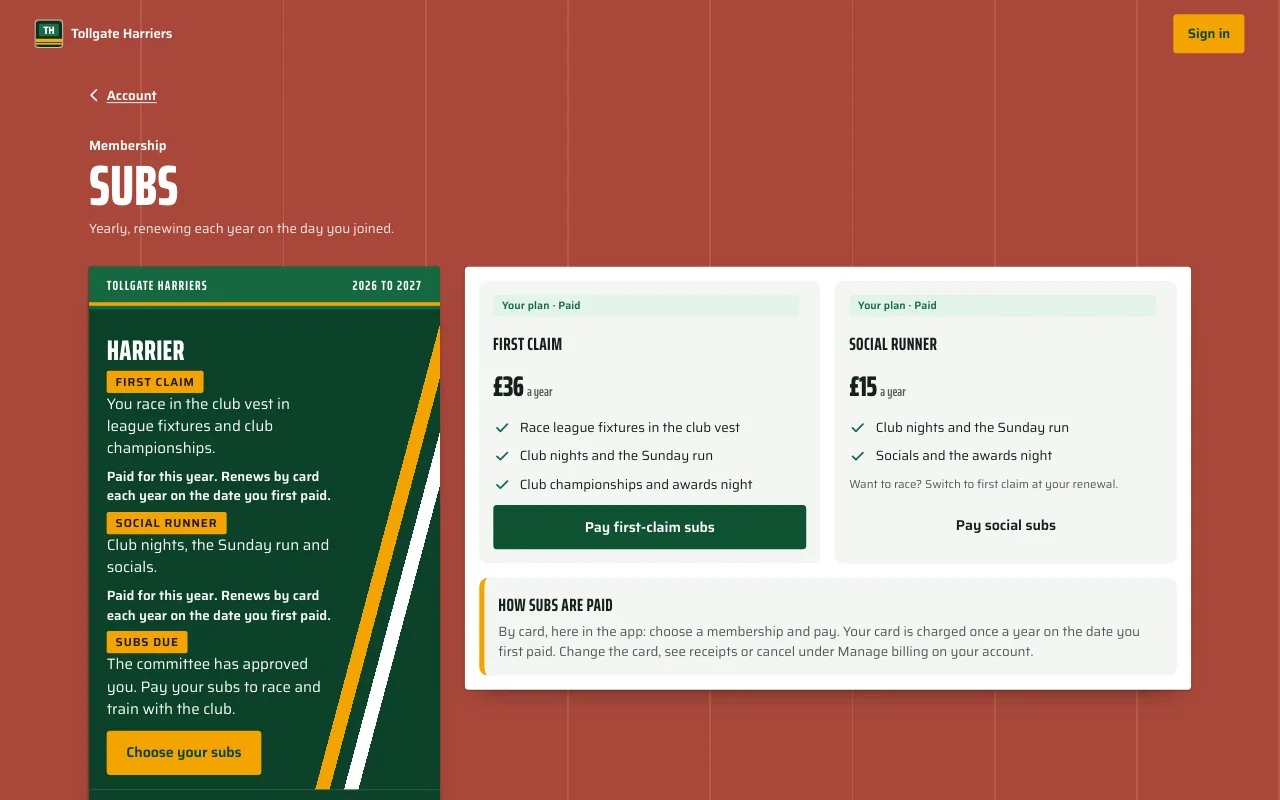
A real template: Stride. Preview it (opens in a new tab) You type in your AI chat
Add a paid membership to my app: a yearly subscription for full members, paid to my own Stripe- “Free members add 10 entries a month, paying members as many as they like” A rule by plan, set in one sentence.
- “Put it on my own domain” Your AI gives you a link showing each step at your domain company.
-
Your team
A teammate or a developer joins, and later the client takes over
Invite a teammate with their own AI, or someone who can only look. When the app is finished, hand it to a client: it moves to them with every version, its domain and its users’ records, and you can ask to stay on to keep working on it.
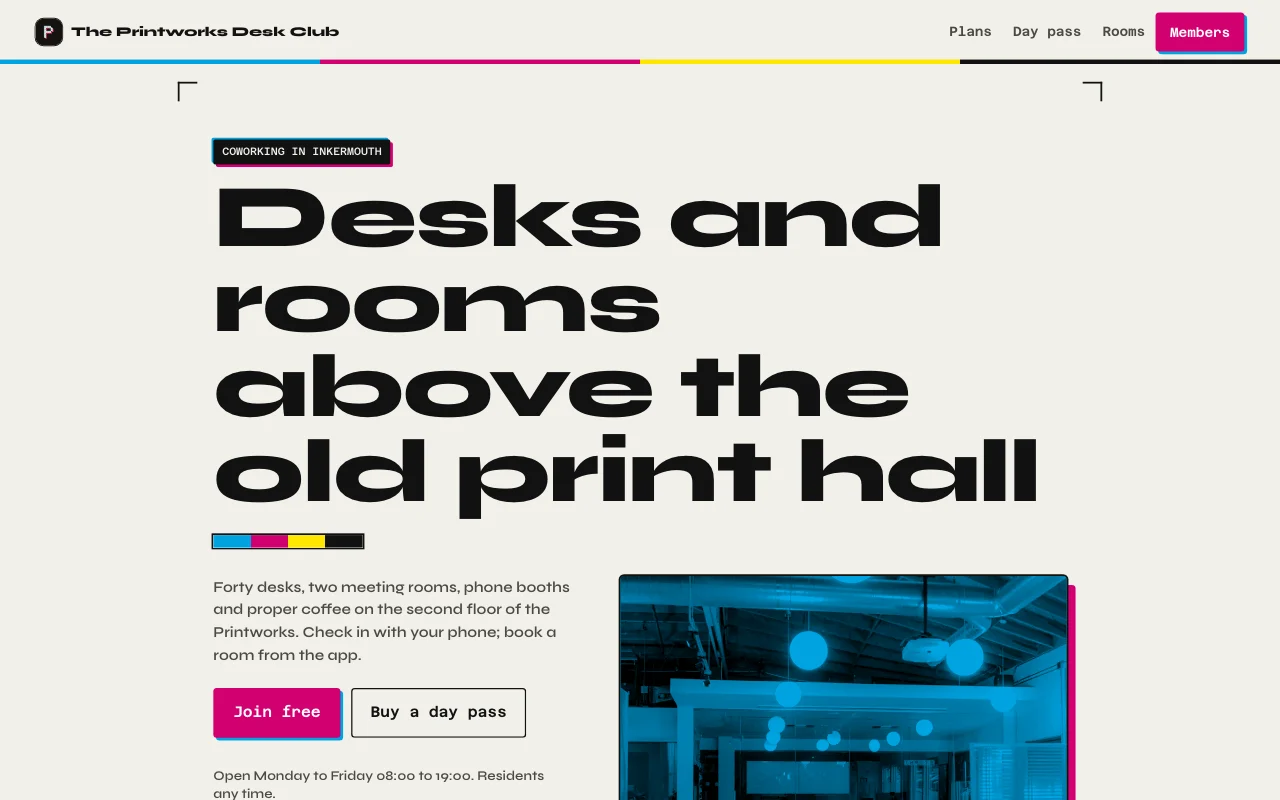
A real template: Desk. Preview it (opens in a new tab) You type in your AI chat
Transfer my app to client@example.com and ask to stay on as a Developer- “Invite sam@example.com to edit my apps” Sam gets an invite, and the changes Sam makes show who made them.
- “I need to call the app from my own code” Your AI gives you the API address and a key. See the API backend page.
What it replaces
The usual way, and the one-chat way.
TodayA chat that makes code you then have to host somewhere.
With Page LemonThe app lives on Page Lemon at an address, from the same chat.
TodayA sign-in service, a database and a payment tool, each to learn.
With Page LemonSign-in, records and plans, set up by asking.
TodayCopy and paste between your AI and a hosting dashboard.
With Page LemonAny connected AI publishes and edits directly.
TodayPassing a zip file or a login to your client.
With Page LemonA handover that moves the app, its history and its users to their workspace.
TodayKeeping track of which AI changed what.
With Page LemonA version history that shows who and which AI made each change.
What it costs you
Free is for building and trying your app. A paid plan lets your users in; bigger ones add paid memberships and your own AI key.
Free
No card needed.
- Build your app and try it as a test user
- A site at yourname.pagelemon.dev
- Connect any AI that speaks MCP
- A small Page Lemon badge
Paid plan
- Users signed in to your app
- Teammates who edit with their own AI
- Your own domain, and no badge
- Paid memberships and your own AI key, on bigger paid plans
Not for you? Full refund within 14 days, no questions asked.
See the real thing first
Every picture on this page is a real template. Open one, click around, then ask your AI to make it yours.
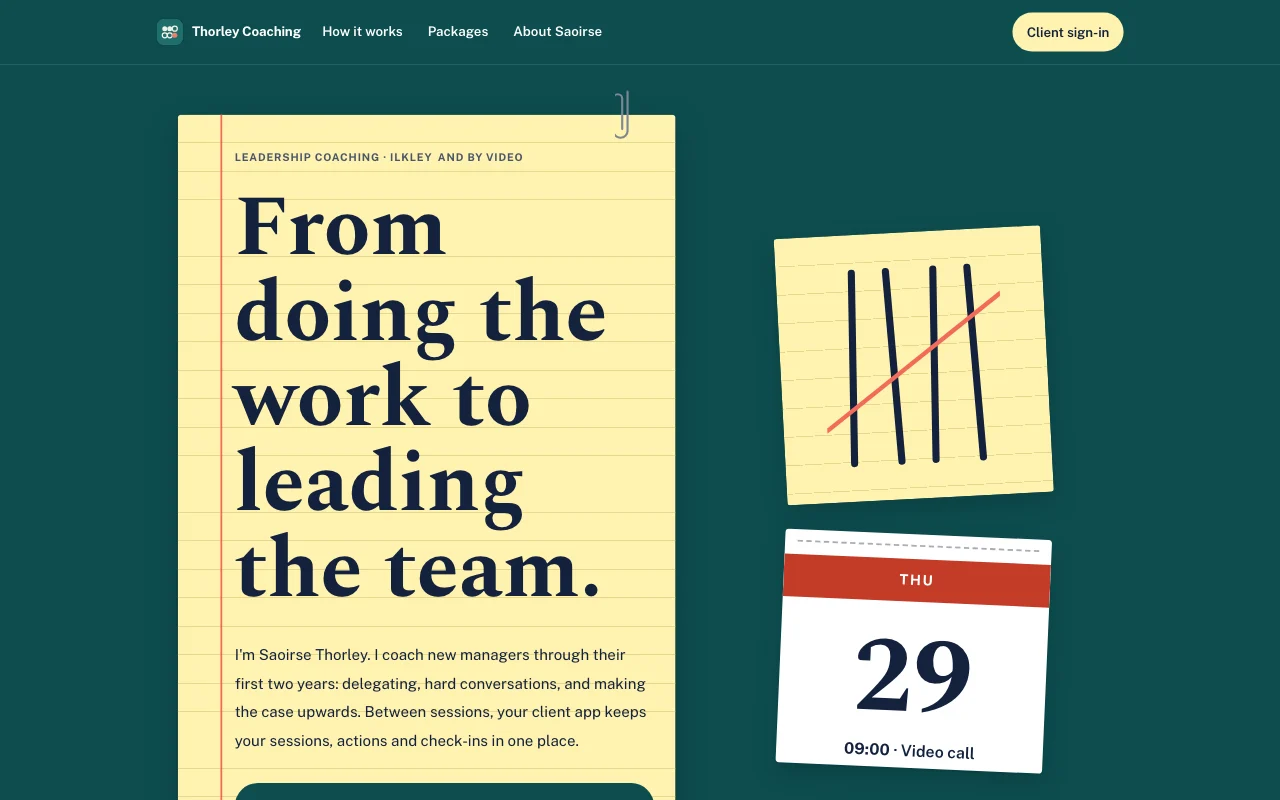
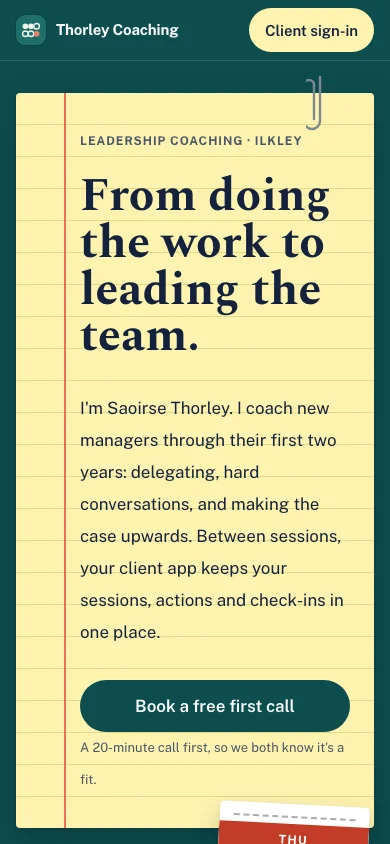
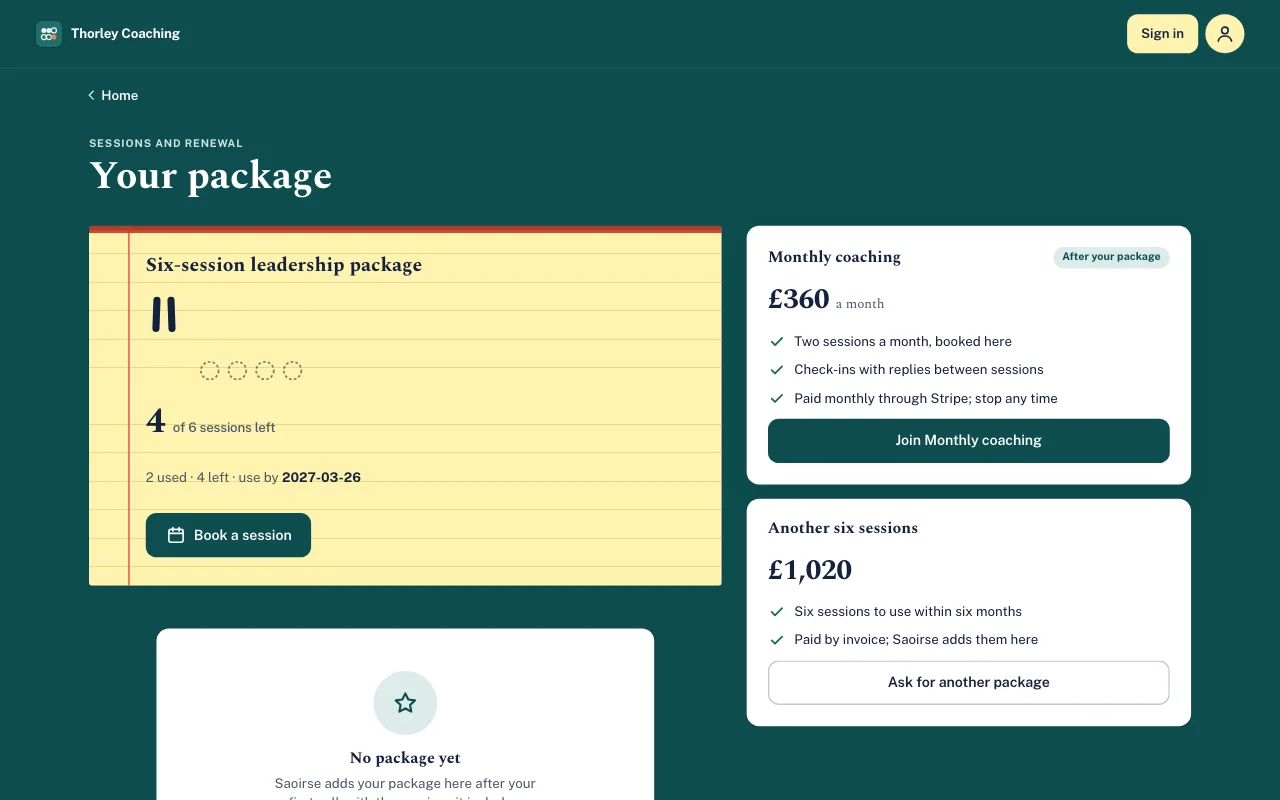
- Tally (live preview, opens in a new tab)Yellow legal pad on a teal desk, with tally marks in pen struck through in coral and a tear-off calendar page
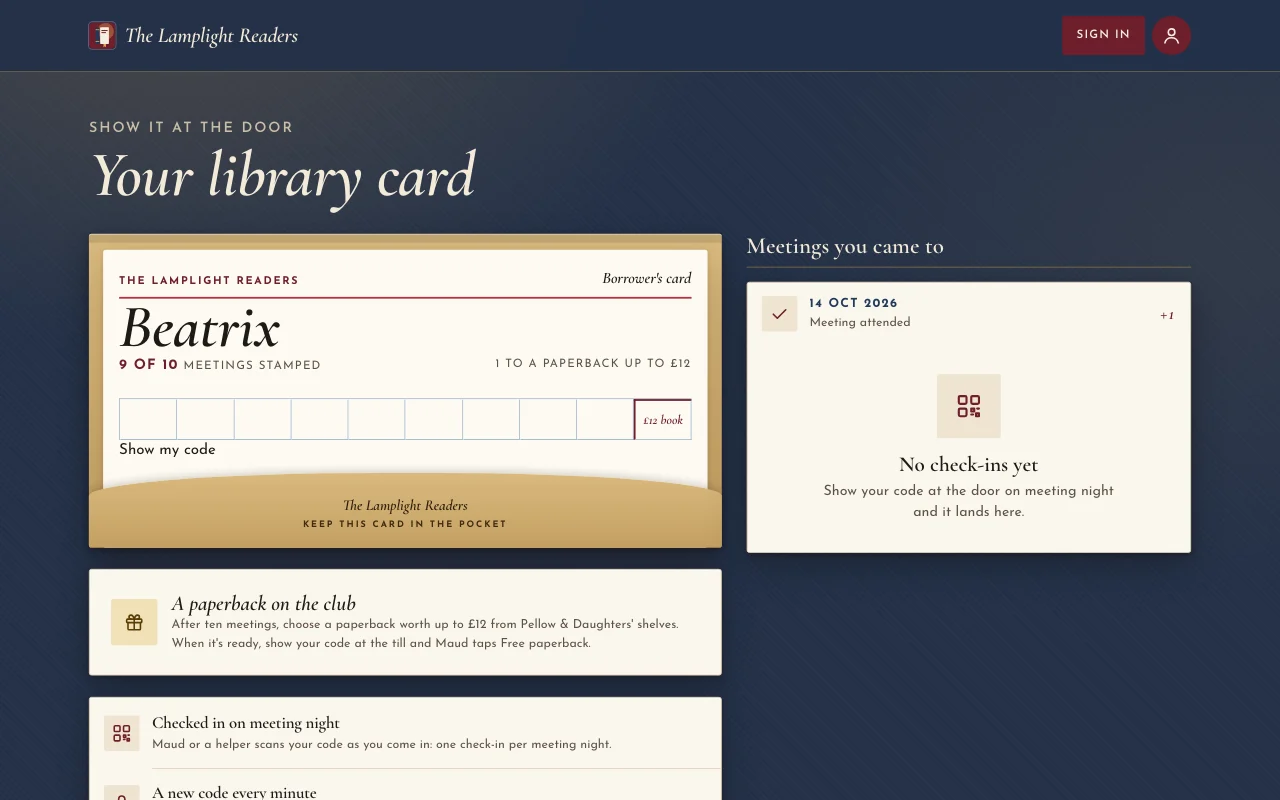
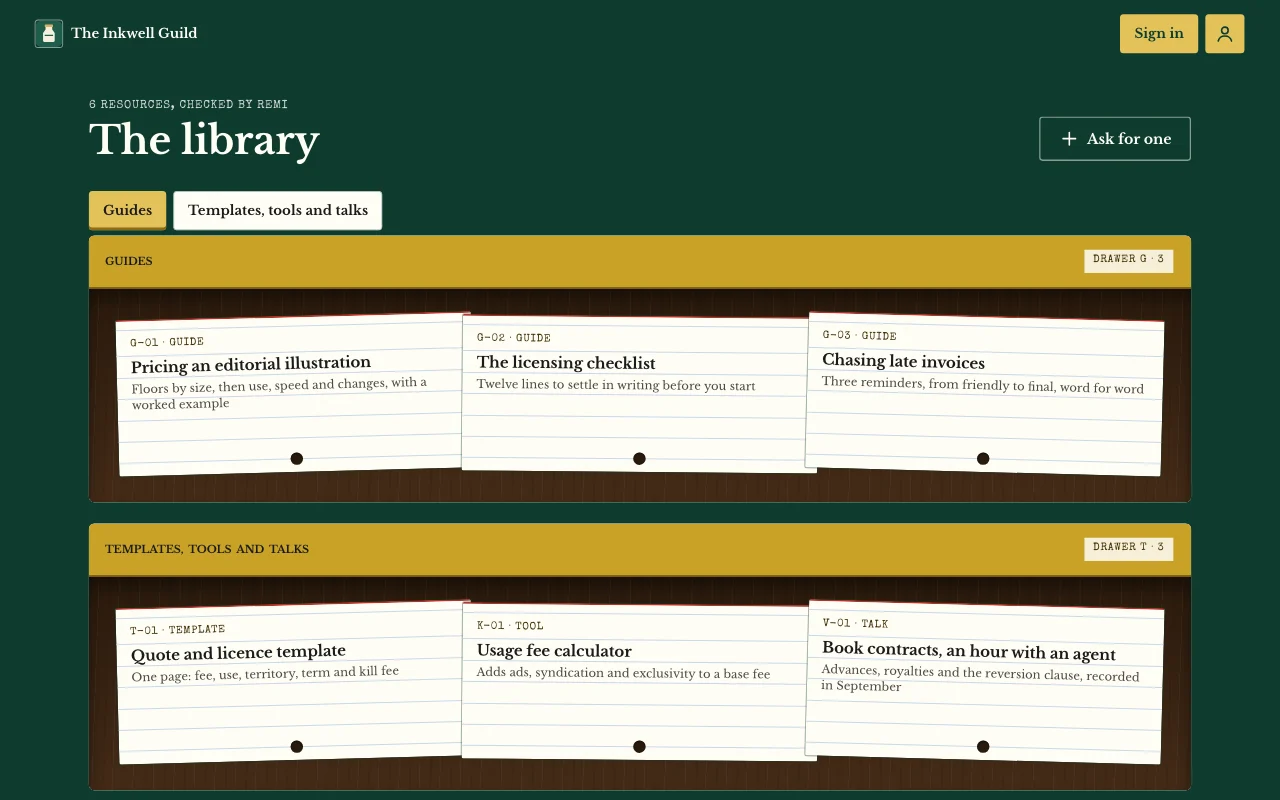
- Chapter (live preview, opens in a new tab)Dust jackets by lamplight: an oxblood poster, Cormorant italics, spines on a shelf and a stamped library card
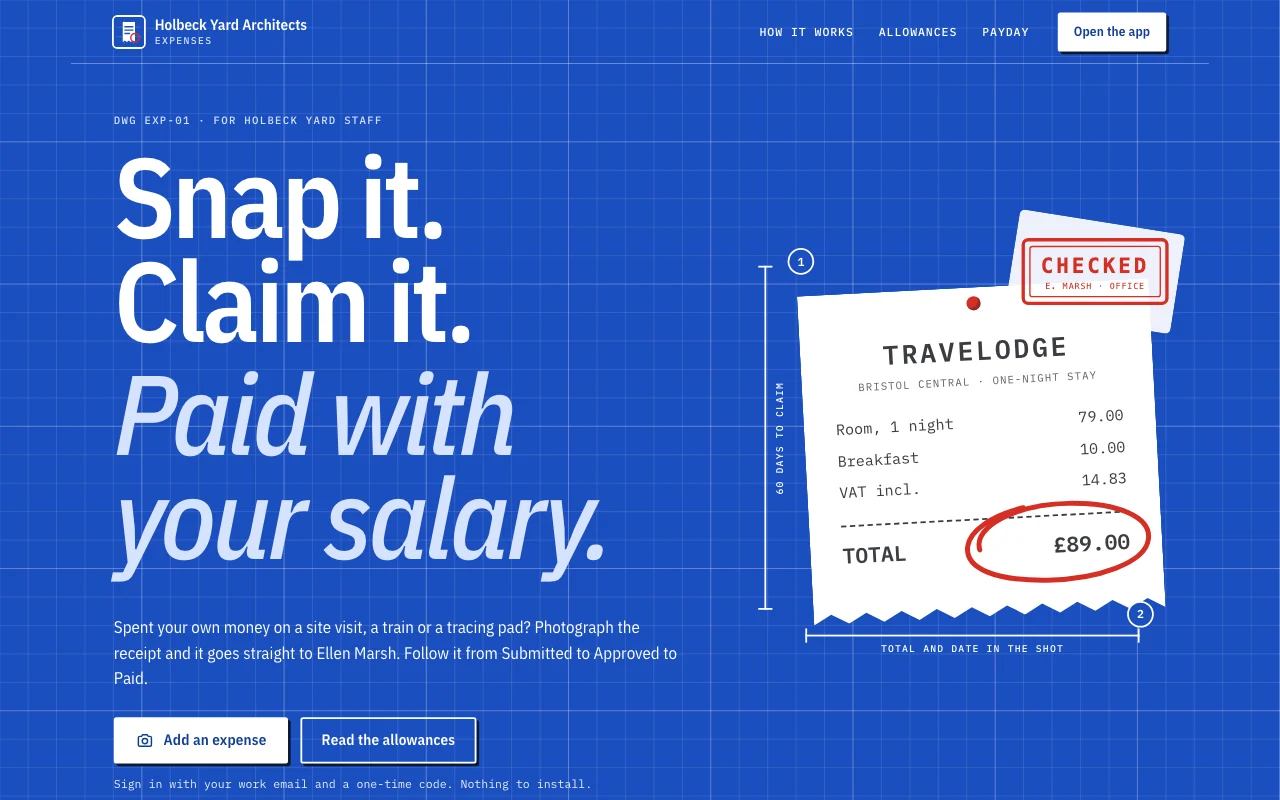 Expense log (live preview, opens in a new tab)An app template: a small studio’s own expense claims app. Staff sign in with their email, photograph a receipt on their phone and claim it in under a minute, follow each claim from Submitted to Approved to Paid, answer the office manager’s questions, and see what they are owed and their monthly totals. The office manager approves and replies in the Dashboard. A public page, six member screens under /app (Home, Add, Claims, Months, Policy, Account) and a privacy notice with blanks.
 Stride (live preview, opens in a new tab)Club vest: racing green and amber stripes like a club vest, white race numbers, a running-track lane motif, bold condensed headings, dark scheme
- Desk (live preview, opens in a new tab)Printworks ink black and paper, magenta and cyan accents from letterpress, real photos of the floor and both rooms, a membership card with a days-this-month meter
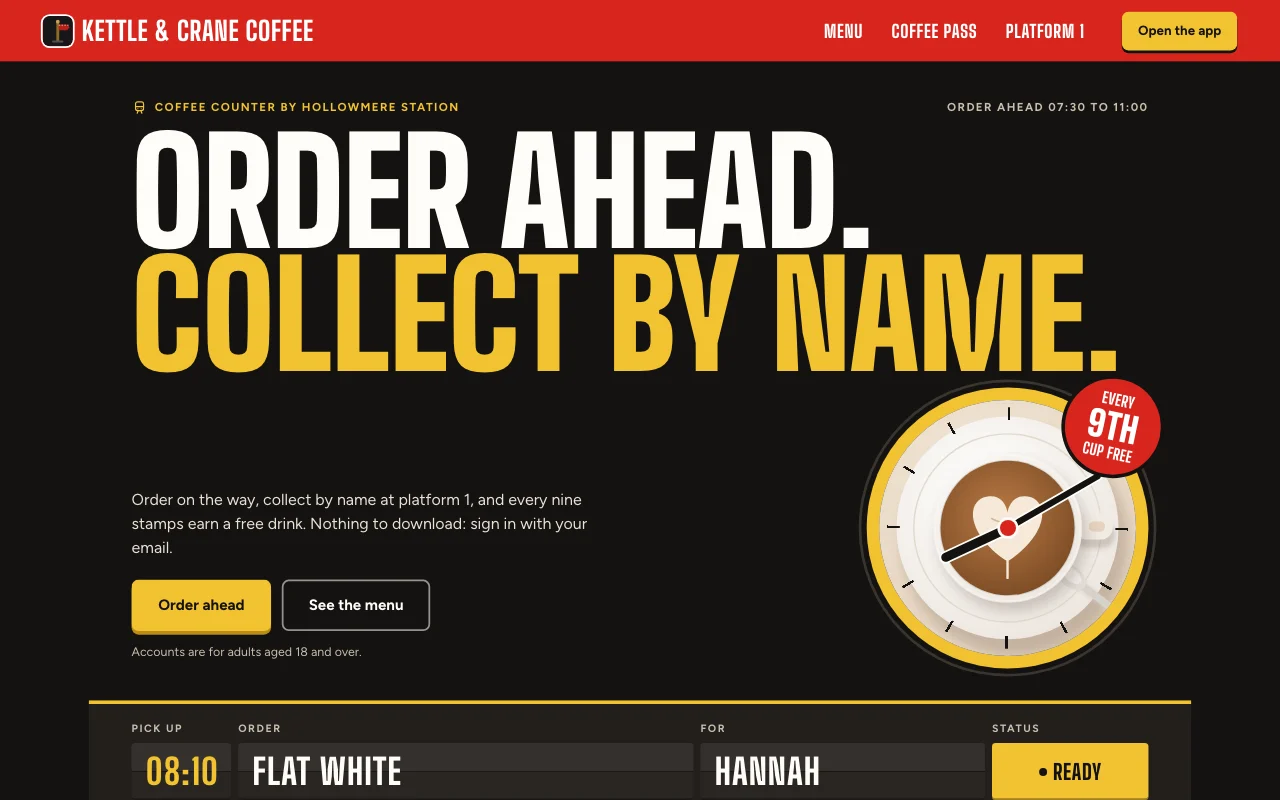 Cortado (live preview, opens in a new tab)Station café app: a departures board for your order, a red platform sign and a paper stamp card with red ink stamps
Step-by-step guides
-
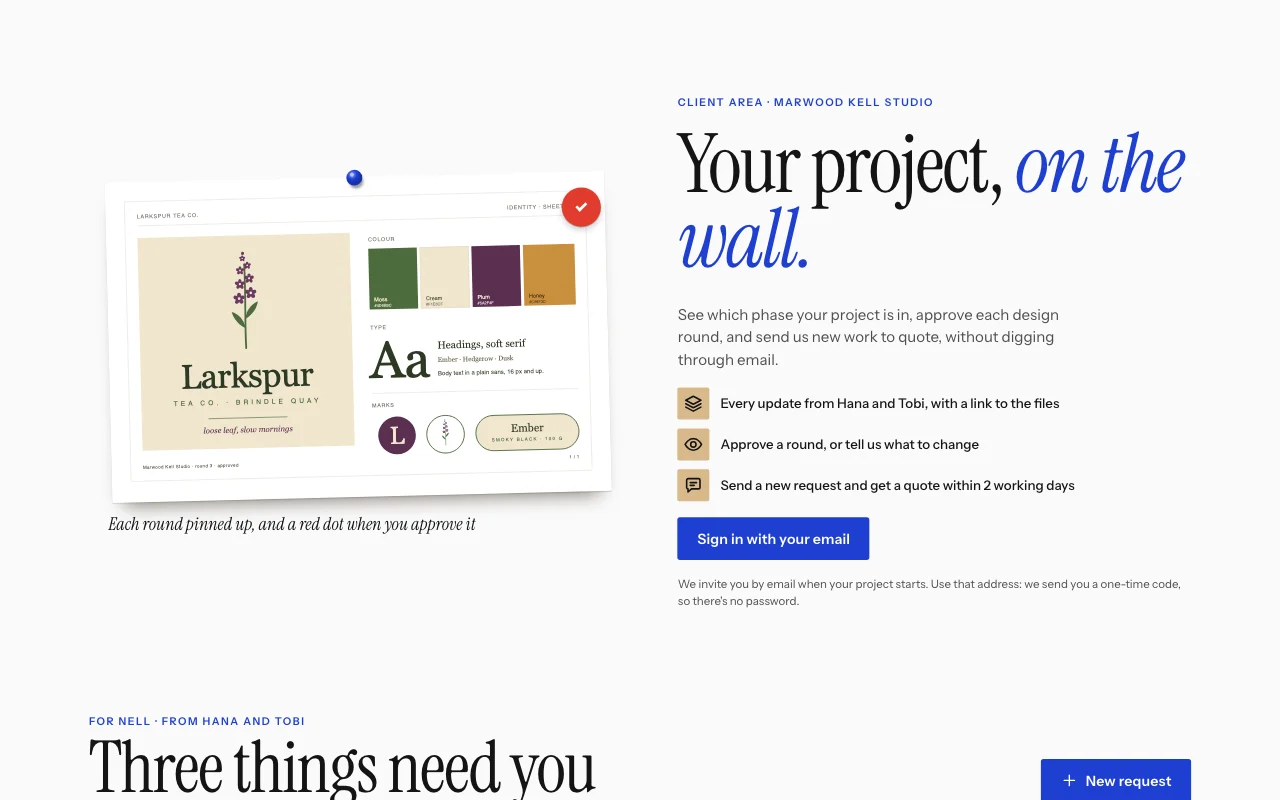 Apps
Client and customer portal
Updates, files and requests, one sign-in per client User sign-inBriefs with photosUpdates you assign Paid plan -
Apps
Expense app
Receipts from phones, each person’s own month User sign-inReceipt photosExport Paid plan -
 Apps
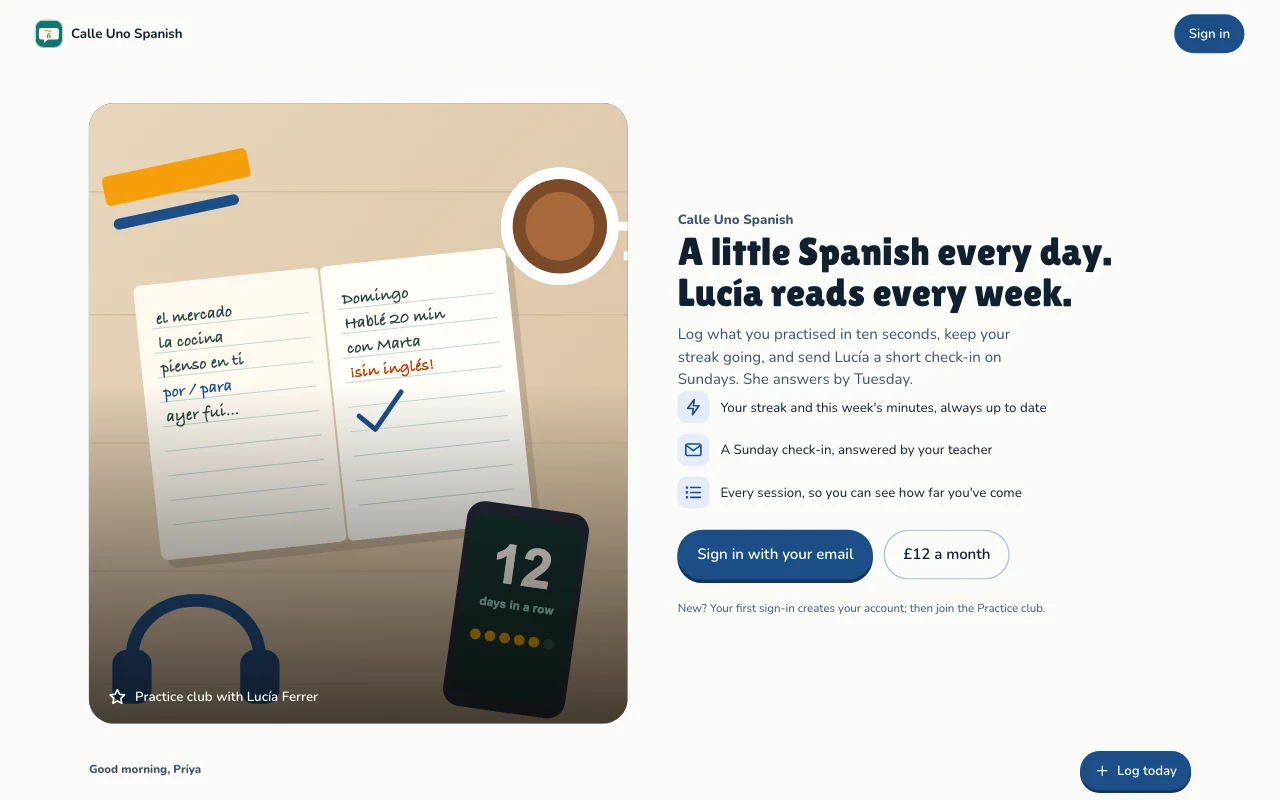
Habit and goal tracker
Daily practice, streaks and goals, each person's own User sign-inStreaks and progressGoals Paid plan -
 Apps
Members’ area or course
Lessons, posts and guides only your users can open User sign-inPages only users seeNotes and photos Paid plan
Questions
Which AIs can I use?
Claude, ChatGPT, Claude Code, Codex, Cursor, VS Code, Antigravity, Gemini CLI, Windsurf, Cline and any other app that speaks MCP. See connect your AI.
Do I need to know how to code?
No. Your AI writes and changes the app, and you say what you want. If you do code, the MCP server and the API are there too.
Do my users need an account or an app?
No Page Lemon account and no download. They sign in on your site with a code sent to their email, and can add it to their phone’s home screen.
Can I keep my front end somewhere else?
Yes. Use Page Lemon as the sign-in, the data and the rules, and call it from your own front end. See API backend.
Can I undo a change my AI got wrong?
Yes. Every change is saved as a version that shows who made it, and any change can be undone.
Can I work on it with someone else?
Yes. Invite a teammate to edit with their own AI, or someone who can only look. Every change shows who made it.
Can I hand the app to my client?
Yes. A site can be handed over to another account with its versions, domain and users’ entries. You can ask to stay on as a Developer. See hand-over.
Who pays for the AI in my app?
You do, through your own AI key from OpenRouter, OpenAI, Anthropic or another listed provider. Try it first on ours, free for 3 days or 10 requests. See AI in apps.
Is there anything I can’t put in it?
Yes. Apps are for adults only, and not for health, mood or therapy records, or for card, bank or ID numbers. Your AI will say no and offer something else.
Ship the app you just built.
Paste one line into your AI.
Deploy on PageLemon.com