Cast the core
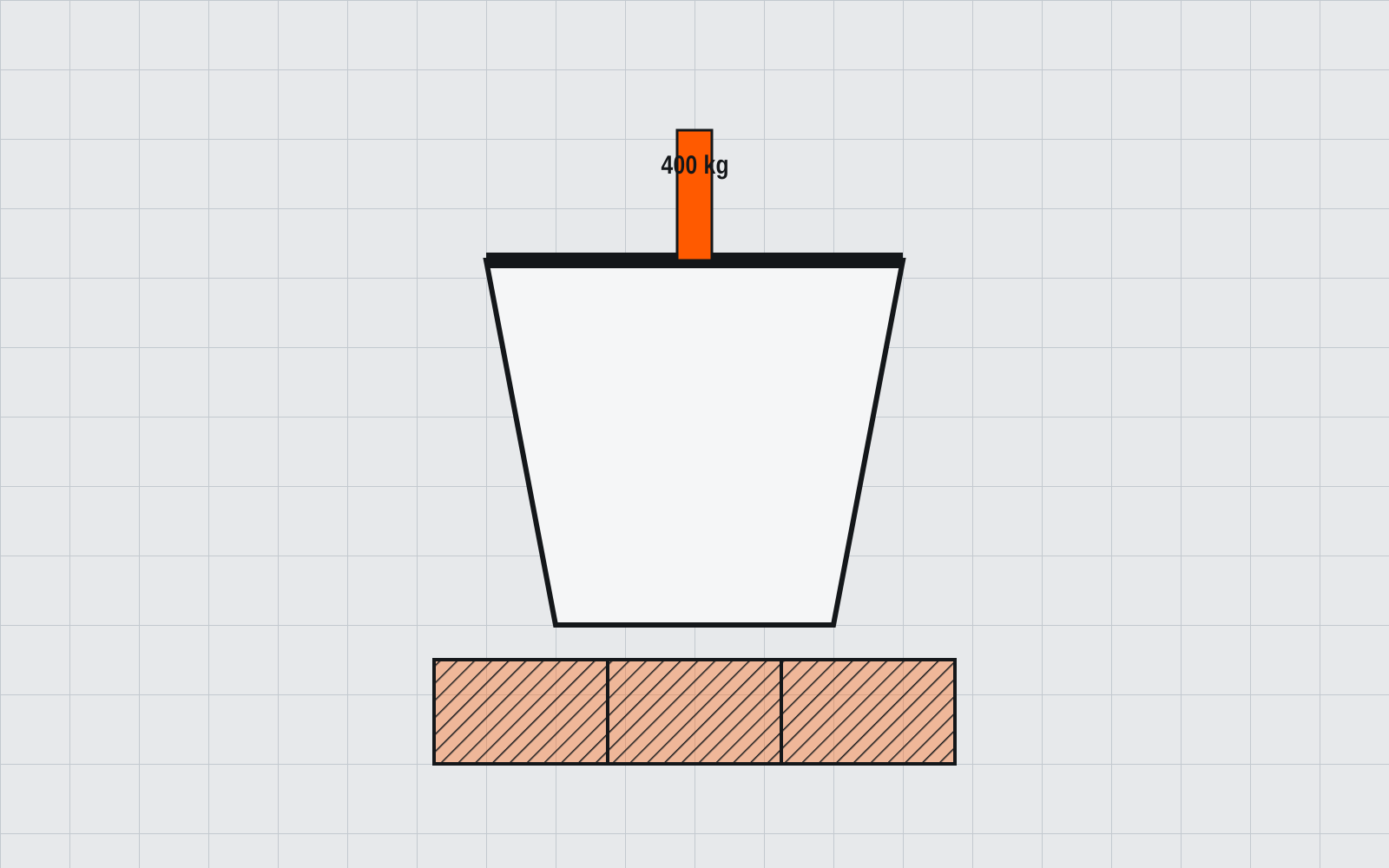
Salt hydrate medium is mixed in batches of 400 kg and poured into the stainless modules. Each batch has its melt curve logged before it leaves the mixing bay.
Every unit is cast, sealed, assembled and tested in Calderford. The whole run takes nine working days from core to crate.
Salt hydrate medium is mixed in batches of 400 kg and poured into the stainless modules. Each batch has its melt curve logged before it leaves the mixing bay.
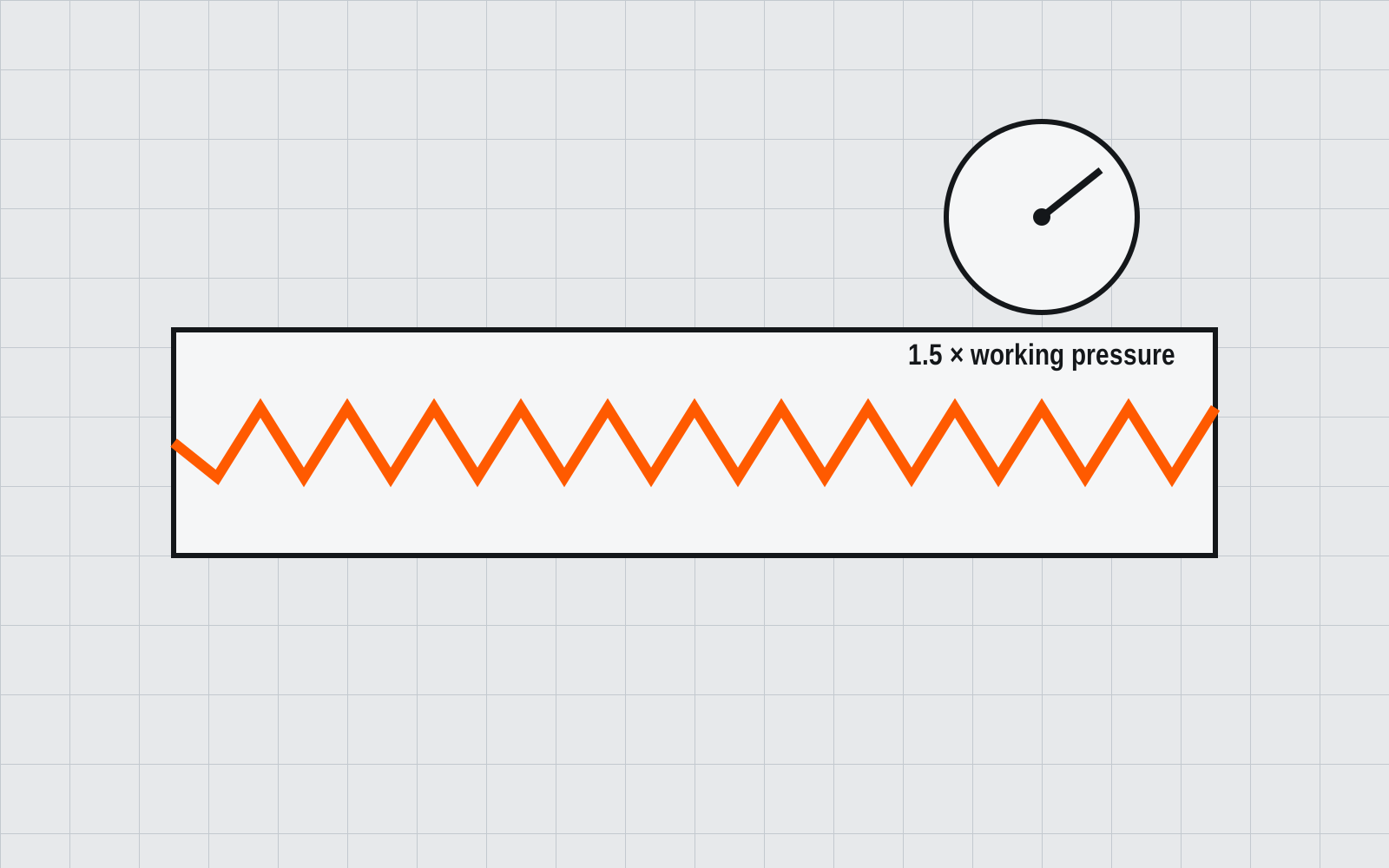
Welded seams are pressure-tested at 1.5 times working pressure, then checked with a helium leak test. A failed weld goes back to the bench, not to the next stage.
Coils, exchangers and the controls board are fitted by two-person teams. Each unit gets a serial number and a wiring diagram fixed inside the casing.
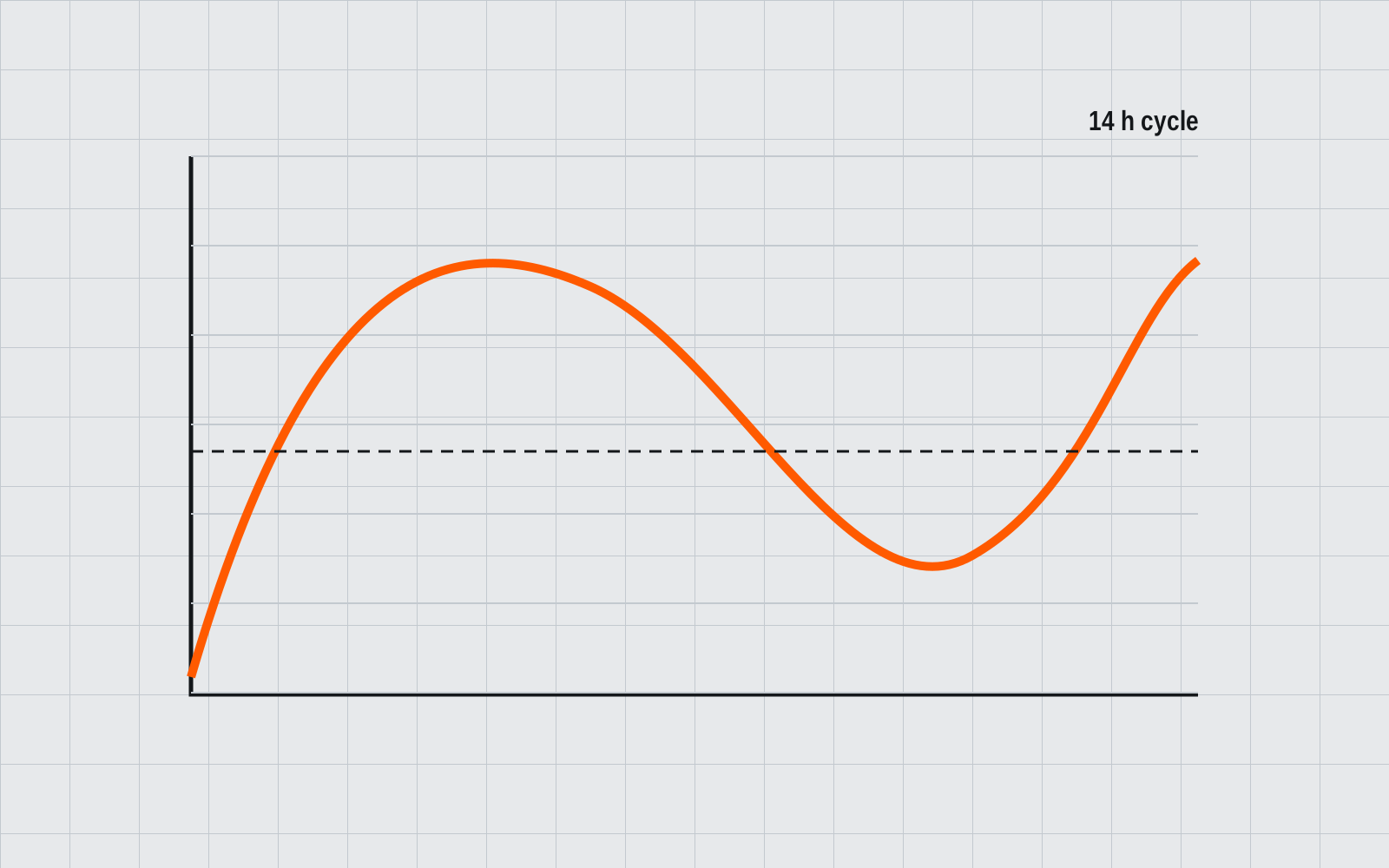
Every unit runs a full 14-hour charge and discharge cycle on the test rig before it ships. The trace goes to the buyer with the unit.
62% of parts by value are sourced within 300 km of the yard.
Medium and steel are the two long-haul items. We name the supplier on each unit’s plate.