Brackenhurst LettersNo. 10

October
 Brackenhurst Letters
The rack · newest first
The next one goes out on Sunday 1 November.
Brackenhurst LettersNo. 10
October
Brackenhurst LettersNo. 9
September
Brackenhurst LettersNo. 8
August
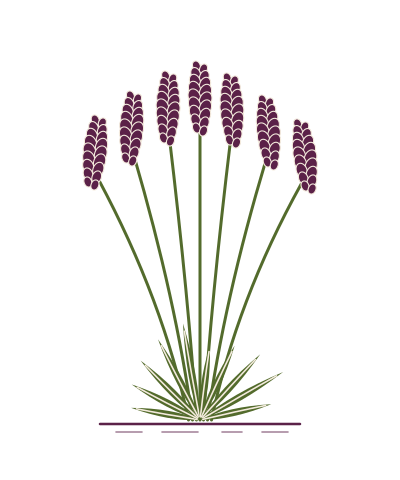
Dear patrons, the lavender along the front path looked finished by the end of July. Grey, woody and flopping over the bricks. I nearly dug it all out. I am glad I waited.
Lavender hates wet feet far more than it hates drought. On our clay, the plants that die are the ones that sit in water all winter, not the ones that went thirsty in August.
When to cut. As soon as the flowers fade, in the last two weeks of August. Leave it until October and the new shoots have no time to firm up before the frost.
How hard. Take off the flower stalks and two centimetres of leafy growth below them. Leave green growth on every stem: lavender rarely sprouts from old bare wood.
Feeding and watering. Don't. Lavender grown hard lives longer and smells stronger. A plant that gets compost and a can of water every evening grows soft and splits open in the middle by its third year. The only help mine get is a handful of grit in the planting hole.
Cuttings now, for next year. While you're trimming, pull off a few side shoots with a heel of old wood, push them round the edge of a pot of gritty compost and leave the pot in the cold frame. Most root by spring, and that's your replacement row for nothing.
What I got wrong. Three years ago I cut the whole row to stumps in spring, thinking it would bush out. Two plants out of nine came back. Now I trim lightly, every year, and replace a plant when it goes leggy rather than trying to rescue it.
From your questions. Tomato blight: once it's in the leaves, pick every green fruit, ripen them on a windowsill and burn the plants, never compost them. Box hedges going bare at the bottom: they need light down there, so cut the top narrower than the base.
With love from the potting bench, Elspeth
Brackenhurst LettersNo. 7
July
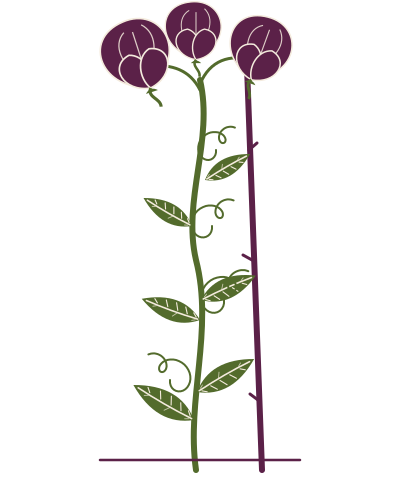
Dear patrons, the sweet peas got halfway up the wigwam and stopped, as if they had lost interest. They hadn't: they had nothing to hold.
Hazel, not bamboo. Smooth canes give the tendrils nothing to grip. Rough hazel poles, or string wound round the canes, and they climb on their own.
Tie in early. For the first fortnight, tie each stem loosely every 20 cm. After that they manage.
Water at the root in a dry July. A can a wigwam twice a week, poured slowly at the base, never over the leaves. Sweet peas on clay rarely dry out in spring, so the first dry month catches us out.
Pick, pick, pick. Every flower left to set a pod tells the plant its job is done. Pick every other day, even the short stems, and give them away if you have to.
For next year. I'll sow in October in deep pots in the cold frame, pinch them out at three pairs of leaves and plant out in April against rough hazel. Varieties I'll grow again: Matucana for the scent, and Mollie Rilstone for cutting.
From your questions. Slugs on courgettes: a ring of wool pellets works on my clay better than anything sharp. A leaning young apple tree: a short stake at 45 degrees into the wind, tied low, and take it away after two summers.
With love from the potting bench, Elspeth
Patrons read every letter, old and new, see what to sow each month and send a question for the Q&A.
Sealed packet
Readers get one letter free. Patrons read every letter, old and new.
No password: we email you a one-time code. Joining as a reader is free.